
As you consider a career in water damage restoration, you’re likely wondering what sets a pro apart from the rest. The answer lies in industry-recognized certifications and advanced training. You’ll need to demonstrate expertise in water damage restoration principles and drying techniques, as well as specialized situations like mold remediation and trauma scene cleanup. But that’s just the beginning. You’ll also need to comply with OSHA regulations and stay current with continuing education to provide top-notch services and stay competitive in the industry. What exactly does this entail, and how can you ensure you’re meeting the highest standards?
Industry-Recognized Certifications Explained
When you’re searching for a water damage restoration company, you’ll likely come across various industry-recognized certifications touted by different providers.
These certifications are more than just fancy logos on a website or truck – they indicate a company’s expertise and commitment to quality.
The most prominent certifications come from organizations like the Institute of Inspection, Cleaning and Restoration Certification (IICRC) and the Restoration Industry Association (RIA).
The IICRC offers certifications such as Water Damage Restoration (WRT) and Applied Structural Drying (ASD), which demonstrate a technician’s understanding of water damage restoration principles and drying techniques.
The RIA’s Certified Restoration Technician (CRT) certification, on the other hand, shows a technician’s knowledge of restoration project management and customer service.
You should look for these certifications when selecting a water damage restoration company, as they ensure the technicians working on your property have the necessary skills and knowledge to get the job done right.
Core Skills for Water Damage Restoration
Effective water damage restoration requires a unique blend of technical knowledge, hands-on skills, and critical thinking.
As a water damage restoration professional, you need to possess a solid understanding of the principles of water damage, including the categories and classes of water loss, as well as the importance of prompt mitigation.
You must be able to assess the situation quickly and accurately, identifying the source of the water damage, the extent of the damage, and the necessary steps to restore the property.
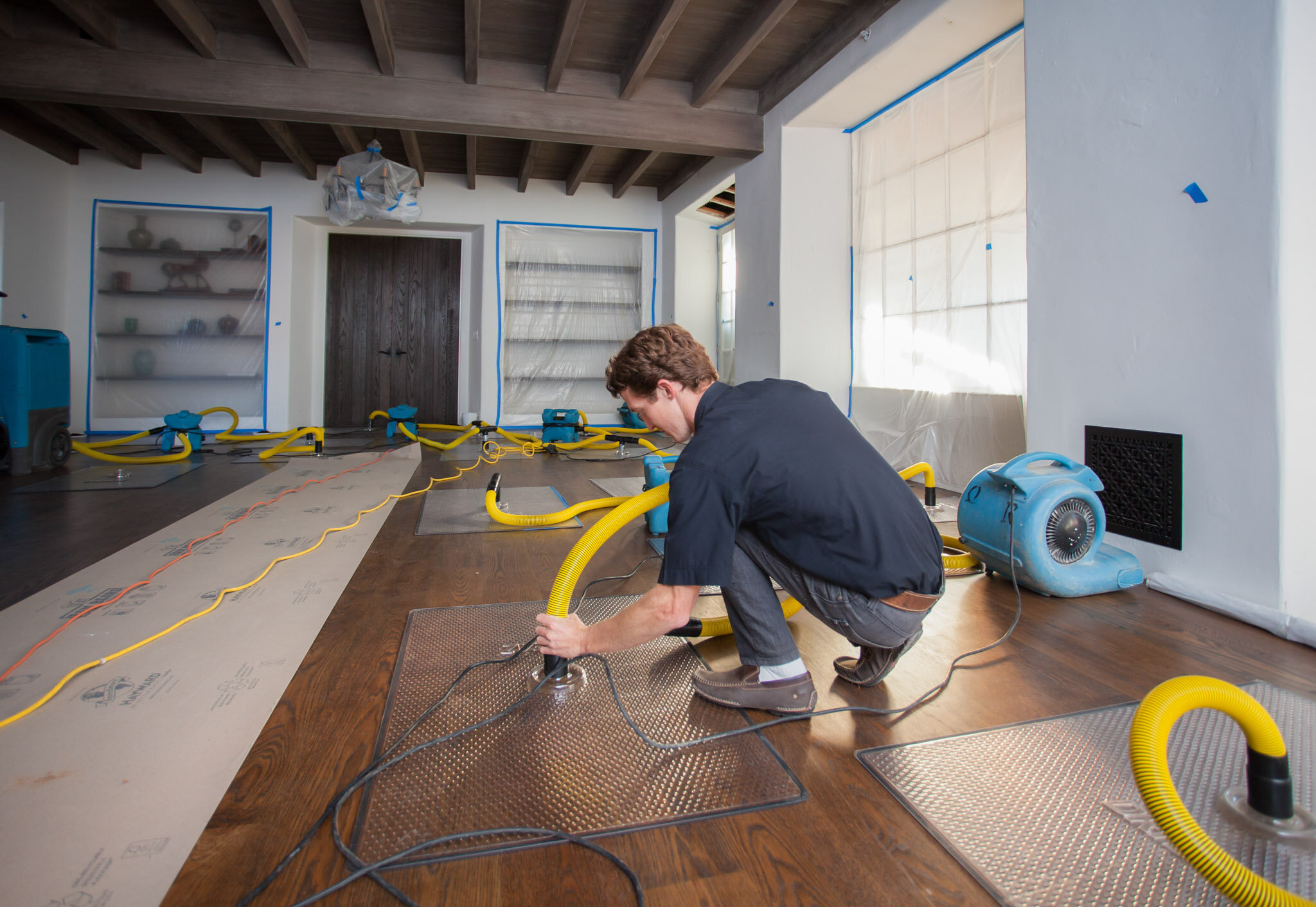
You’ll need to be skilled in operating specialized equipment, such as extractors, air movers, and dehumidifiers, to remove water and dry the structure.
Additionally, you should be knowledgeable about safety protocols, including personal protective equipment (PPE) and containment procedures, to prevent further damage and ensure a safe working environment.
Your communication skills are also crucial, as you’ll need to work with property owners, insurance adjusters, and other stakeholders to coordinate the restoration process.
Advanced Training for Specialized Situations
You’ve honed your core skills, but now it’s time to take your water damage restoration expertise to the next level.
Advanced training for specialized situations will set you apart from competitors and prepare you for unique challenges. Consider obtaining certifications in mold remediation, asbestos removal, or trauma scene cleanup.
These specialized skills will enable you to tackle complex projects that require specific knowledge and protocols. You’ll learn how to identify and contain hazardous materials, develop effective containment strategies, and implement safety protocols to protect yourself and others.
Advanced training will also teach you how to navigate complex regulatory requirements and ensure compliance with industry standards. By investing in specialized training, you’ll expand your service offerings, increase your earning potential, and establish your company as a trusted authority in the industry.
Don’t miss this opportunity to take your water damage restoration business to new heights.
OSHA Compliance and Safety Standards
Most water damage restoration projects involve hazardous materials, and it’s crucial to have a thorough understanding of OSHA compliance and safety standards to ensure a safe working environment.
You’ll need to familiarize yourself with the Occupational Safety and Health Administration’s (OSHA) regulations and guidelines for handling hazardous substances, including chemicals, heavy metals, and biological contaminants.
This includes understanding personal protective equipment (PPE) requirements, such as respirators, gloves, and eye protection. You must also know how to properly contain and dispose of hazardous materials, and develop a plan for emergency response and spill cleanup.
You should also be aware of OSHA’s bloodborne pathogen standard, which applies to water damage restoration projects involving bodily fluids.
This standard outlines procedures for protecting yourself and others from exposure to bloodborne pathogens, such as HIV and hepatitis.
Staying Current With Continuing Education
Beyond OSHA compliance, staying current with continuing education is vital in the water restoration damage damage restoration industry, where new techniques, technologies, and safety protocols emerge regularly.
You’ll need to stay up-to-date on the latest methods for mitigating water damage, drying structures, and preventing mold growth. This requires ongoing training and education to ensure you’re providing the best possible services to your clients.
You’ll want to participate in workshops, seminars, and online courses that focus on topics like water damage restoration, mold remediation, and structural drying.
Many industry associations, like the Institute of Inspection, Cleaning and Restoration Certification (IICRC), offer continuing education courses and certification programs. These programs will help you stay current with industry developments and enhance your skills and knowledge.
Additionally, many states require water damage restoration professionals to complete a certain number of continuing education hours to maintain their licenses. By staying current with continuing education, you’ll be able to provide high-quality services, stay competitive, and build trust with your clients.
Conclusion
You’ve learned the importance of industry-recognized certifications, core skills, and advanced training in specialized situations. You also understand the need to comply with OSHA regulations and stay current with continuing education. By fulfilling these requirements, you’ll demonstrate your expertise and commitment to providing top-notch water damage restoration services. This dedication will set you apart from others in the industry and ensure you’re equipped to handle any water damage restoration project that comes your way.
About the Author

